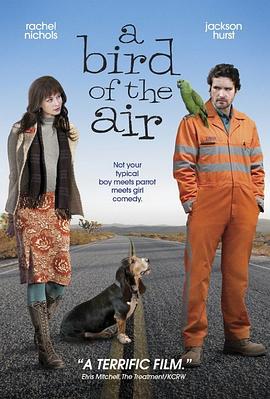
A sassy parrot and a free-spirited librarian upend the well-ordered life of a solitary man. Lyman (Jackson Hurst) is a loner, working the graveyard shift for the Courtesy Patrol. When a green parrot flies in to his trailer he becomes obsessed with finding its owner, which leads him to Fiona(Rachel Nichols). She has been eyeing Lyman from a distance and decides to help with his parrot search, whether he wants her to or not. Along with her basset hound, they set out on a quest to find the bird’s previous owners and Fiona begins to unravel the mysteries of Lyman's past. But when Fiona joins Lyman on his nightly rounds, she witnesses a reality more intense than the romantic version she had envisioned.
When a young boy's mother and father are savagely murdered, he ages out of an orphanage intent on revenge, but the love of a girl and psychological trauma lead him down a mystifying path.
In Tokyo a ruthless gang start holding up U.S. ammunition trains, prepared to kill any of their own members wounded during a robbery. Down-at-heal ex-serviceman Eddie Spannier arrives from the States apparently at the invitation of one such unfortunate. But Eddie isn't quite what he seems as he manages to make contact with Sandy Dawson who is obviously running some sort of big ...
苏利文是好莱坞以喜剧走红的年轻导演电影(乔尔·麦克雷 Joel McCrea 饰),但他不满现状,想将下个作品拍成反映社会底层困境的严肃题材。为了体验底层生活,他打扮成身无分文的流浪汉深入民间,但无论他怎么尝试,最后总是又回到了好莱坞。后来他遇到一个事业失败的女演员(维 罗妮卡·莱克 Veronica Lake 饰),让她上车搭了一程,却被误认作小偷送入了警察局。释放之后,苏利文听从女孩的建议,和她结伴一起流浪。这次,他真的成为流浪汉,吃剩饭,睡收容所。最终,苏利文觉得体验足够想要离开收容所时,却被贪婪的流浪汉击晕。一个被火车压死的小偷被误认是苏利文,所有人都以为他死了。与此同时,苏利文醒来之后失忆了,混乱之中打伤一个工人,被判入劳改所6年。他在狱中感受到笑声对他的重要性,当他恢复记忆后,他逐渐认识到喜剧能够带给穷人更多。但是,苏利文遇到了问题,他不...
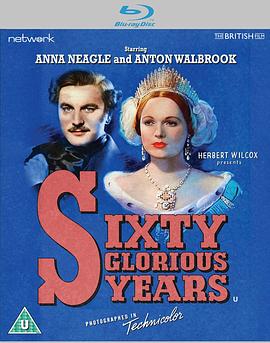
Sixty Glorious Years is an exercise in the creation of iconography, both for Victoria and its star, Anna Neagle (who subsequently became known as 'Regal Neagle'). Just as Elizabeth I commissioned artists to create flattering iconic images for public consumption, so this film performs a similar function, for Neagle is more beautiful than the real life Victoria. Controversial events (such as the 'Irish problem') are omitted and unpleasant aspects of Victoria's character (her petulance, arrogance, favouritism and 'right to privilege') are glossed over as endearing little 'whims'. Albert acts as a moderating influence when she goes too far.
The film followed a year after the highly successful Victoria the Great (d. Herbert Wilcox, 1937). Again the screenplay is by Miles Malleson and Robert Vansittart, and many of the supporting cast (the cream of acting talent of period) repeat their roles, this time for the colour cameras. This was the first full length Technicolor film of cinematographer Freddie Young, who captures the spectacle of royal weddings, grand balls and opulent interiors, with scenes actually filmed at royal palaces. Vivid battle scenes, set in Alexander Korda's empire territory (Sevastopol and the Sudan), rival those in The Four Feathers (d. Zoltan Korda 1939).
The title music sets the tone: a regal choir sings over a shot of the crown. Elgar's 1901 'Pomp and Circumstance' march is heard during the diamond jubilee celebrations and, as Victoria's coffin lies in state, the film concludes with Anthony Collins' stately music accompanied by the text of Rudyard Kipling's 'Lest we forget'. Combined with the emotional appeal of scenes of Victoria connecting with her 'ordinary folk', this is stirring stuff.
The film connects with contemporary events of 1938. The release of two celebratory royal films was intended to boost public affection for the monarchy in the wake of Edward VIII's abdication. Anglo-German relations were another touchy subject. With another war on the horizon, influential voices wanted appeasement, and the film could be seen to fit that agenda. Victoria herself was of mainly German descent, nicknamed 'the grandmother of Europe', while Albert is a 'good German', charmingly played by Anton Walbrook as a cultured, decent man.
Sixty Glorious Years now seems unduly formal and reverential. Had movies existed during Victoria's reign (they only emerged at the end) this might have been the kind of film produced. Unlike Mrs Brown (d. John Madden, 1997), it is all so very 'Victorian'.
Roger Philip Mellor