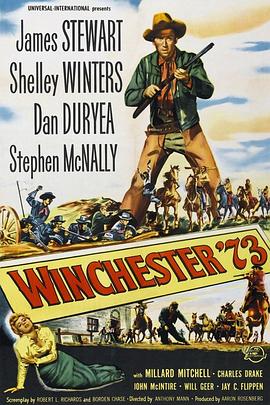
《温彻斯特,73年》是50年代由詹姆士·斯图尔特与安东尼·曼合作颇负盛名的5部西部片中最棒的一部(其余4部依次是《蜿蜒的河》(Bend of the River)、《来自莱若迈的男人》(The Man From Laramie)、《赤裸裸的刺激》(The Naked Spur)、《远乡》(The Far Country),被认为是刺激西部片票房回升的主要功臣。该片还开了一道历史的先河:由该片起,明星们不再靠领取薪水(尽管高得让人咋舌)过活,而趋于影片票房利润分成。这招儿让詹姆士·斯图尔特挣了大钱,也永远地改变了好莱坞的交易方式。 影片本身也令人印象深刻。安东尼·曼手法尖锐而富于心理剖析,刻画了一位陷入扑朔迷离中的强悍男人。牛仔林·麦克达姆(詹姆士·斯图尔特饰)为找回一支宝贵的温彻斯特1873年造连发步枪,一路追踪,由此开始了一连串的历险。最后一幕极其壮观:悬崖绝壁间,两人拔枪对射,壮阔山色也每每令人流连不已。《温彻斯特,73年》使詹姆士·斯图尔特名列十大票房榜,而此前电影公司竟怀疑他的表演才能。就像真正的1873年造温彻斯特步枪,《温彻斯特,73年》也是“千年之唯一”。
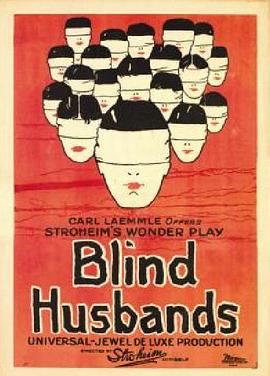
Two differences between this Austrian version and the generally available American version are immediately obvious: they differ both in their length and in the language of the intertitles. The American version is only 1,883 metres long - at 18 frames per second a difference of some 7 minutes to the Austrian version with 2,045 metres. Whereas we originally presumed only a negligible difference, resulting from the varying length of the intertitles, a direct comparison has nevertheless shown that the Austrian version differs from the American version both in the montage and in the duration of individual scenes. Yet how could it happen that the later regional distribution of a canonical US silent film was longer than the "original version"?
The prevalent American version of Blind Husbands does not correspond to the version shown at the premiere of 1919. This little-known fact was already published by Richard Koszarski in 1983. The film was re-released by Universal Pictures in 1924, in a version that was 1,365 feet (416 metres) shorter. At 18 frames per second, this amounts to a time difference of 20 minutes! "Titles were altered, snippets of action removed and at least one major scene taken out entirely, where von Steuben and Margaret visit a small local chapel." (Koszarski)
From the present state of research we can assume that all the known American copies of the film derive from this shortened re-release version, a copy of which Universal donated to the Museum of Modern Art in 1941. According to Koszarski the original negative of the film was destroyed sometime between 1956 and 1961 and has therefore been irretrievably lost. This information casts an interesting light on the Austrian version, which can be dated to the period between the summer of 1921 and the winter of 1922. Furthermore, the copy is some 200 metres longer than the US version of 1924. If one follows the details given by Richard Koszarski and Arthur Lennig, this means that, as far as both its date and its length are concerned, the Austrian version lies almost exactly in the middle between the (lost) version shown at the premiere and the re-released one.A large part of the additional length of the film can be traced to cuts that were made to the 1924 version in almost every shot. Koszarski describes how the beginning and the end of scenes were trimmed, in order to "speed up" the film. However, more exciting was the discovery that the Austrian version contains shots that are missing in the American one - shots/countershots, intertitles - and furthermore shows differences in its montage (i.e. the placing of the individual shots within a sequence). All this indicates that Die Rache der Berge constitutes the oldest and most completely preserved material of the film.
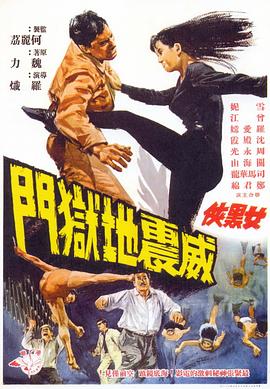
木兰花好友杜鬼脸访兰花不遇后离奇于殓房被杀,同时,殓房内一具尸首的牙齿被盗。兰花之妹木秀珍发现杜鬼脸遗下牙医名片,独往调查,不料牙医诊所突然爆炸,秀珍被日本犯罪天才胜三郎掳去。兰花到警局与好友高翔商量,在相片中发现爆炸现场有一个完好的磅杆。高翔命人把磅杆带回警局,与兰花在现场等候歹徒现身,但周旋间不敌被困雪房,幸获机警逃脱的秀珍救出。警队内奸杨警官偷取藏于磅杆中的计划书及牙齿中的密码,助三郎按指示往“地狱门”寻宝,惟三郎得手后将杨枪杀。关警官表面协助三郎,实暗担当内应,最后与兰花、秀珍及高翔在藏宝地点歼灭党团。
中文名 女黑侠威震地狱门
外文名 Lady in Black Cracks the Gate of Hell
其它译名 The hell's gate
出品时间 1967年
出品公司 仙鹤港联影业公司
制片地区 中国香港
导 演 罗炽
...