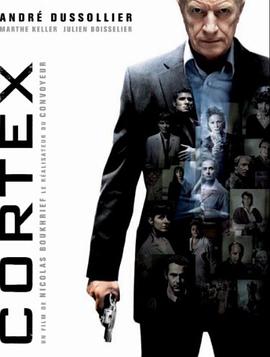
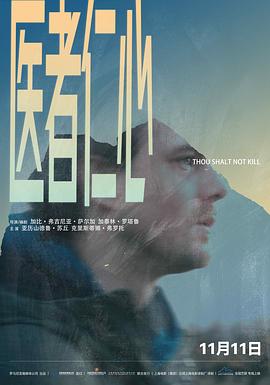
查尔斯(安德烈·杜索里埃 André Dussollier 饰)曾是一位精明强干备受尊重的警官,如今,慢慢老去的他不得不提前开始他的退休生活,因为他被查出了患有阿兹海默症。就这样,查尔斯来到了一家专门针对阿兹海默症患者开放的疗养院生活,这里规律而又宁静的日子让查尔斯渐渐开始觉得一切并没有他想象的那么糟糕。
然而,噩梦还是开始了。在疗养院中接二连三的发生了患者死亡的意外,多年来浸淫在警队中的查尔斯敏感的察觉到一切都不是巧合,是有一个邪恶的人躲在幕后,亲手策划了这些死亡。查尔斯独自展开了对事件的调查,就在他里真相越来越近的同时,危险也离他越来越近。
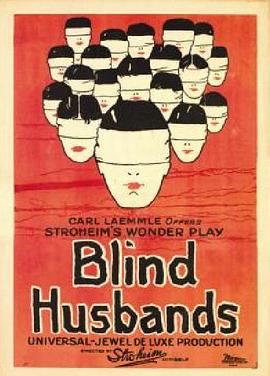
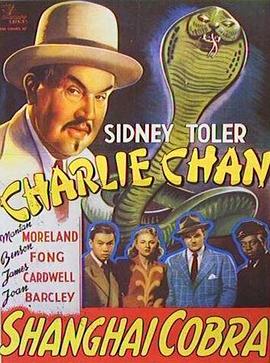
Two differences between this Austrian version and the generally available American version are immediately obvious: they differ both in their length and in the language of the intertitles. The American version is only 1,883 metres long - at 18 frames per second a difference of some 7 minutes to the Austrian version with 2,045 metres. Whereas we originally presumed only a negligible difference, resulting from the varying length of the intertitles, a direct comparison has nevertheless shown that the Austrian version differs from the American version both in the montage and in the duration of individual scenes. Yet how could it happen that the later regional distribution of a canonical US silent film was longer than the "original version"?
The prevalent American version of Blind Husbands does not correspond to the version shown at the premiere of 1919. This little-known fact was already published by Richard Koszarski in 1983. The film was re-released by Universal Pictures in 1924, in a version that was 1,365 feet (416 metres) shorter. At 18 frames per second, this amounts to a time difference of 20 minutes! "Titles were altered, snippets of action removed and at least one major scene taken out entirely, where von Steuben and Margaret visit a small local chapel." (Koszarski)
From the present state of research we can assume that all the known American copies of the film derive from this shortened re-release version, a copy of which Universal donated to the Museum of Modern Art in 1941. According to Koszarski the original negative of the film was destroyed sometime between 1956 and 1961 and has therefore been irretrievably lost. This information casts an interesting light on the Austrian version, which can be dated to the period between the summer of 1921 and the winter of 1922. Furthermore, the copy is some 200 metres longer than the US version of 1924. If one follows the details given by Richard Koszarski and Arthur Lennig, this means that, as far as both its date and its length are concerned, the Austrian version lies almost exactly in the middle between the (lost) version shown at the premiere and the re-released one.A large part of the additional length of the film can be traced to cuts that were made to the 1924 version in almost every shot. Koszarski describes how the beginning and the end of scenes were trimmed, in order to "speed up" the film. However, more exciting was the discovery that the Austrian version contains shots that are missing in the American one - shots/countershots, intertitles - and furthermore shows differences in its montage (i.e. the placing of the individual shots within a sequence). All this indicates that Die Rache der Berge constitutes the oldest and most completely preserved material of the film.
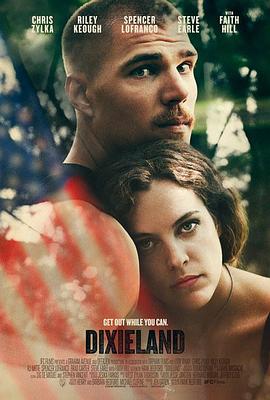
A young, recently-released and unpredictable ex-con with bad luck, and a sexy, listless girl-next-door with a troubled family, become trapped in a downward spiral of crime and obsessive love, as they try to ditch their dead-end town for a better life.
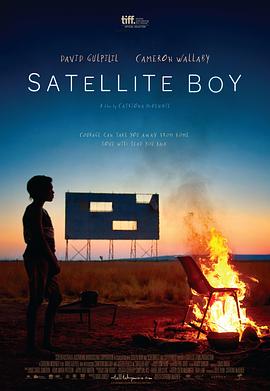
When his grandfather's drive-in cinema and home in the outback town of Wyndham is threatened with demolition, a twelve-year-old Aboriginal boy must journey through Australia's bush country — equipped only with ancient survival skills — to stop the city developers in this beautiful and uplifting adventure epic.
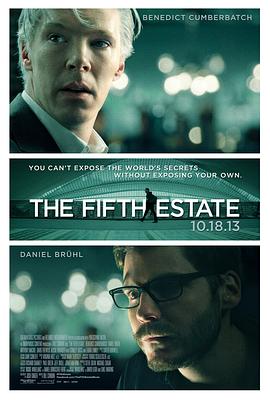
本尼迪克特·康伯巴奇饰演“维基解密”创始人朱利安·保罗·阿桑奇(Julian Paul Assange)。维基解密是一个大型文档泄露及分析网站,曾经在2010年公开了多达9.2万份的驻阿美军秘密文件而引起轩然大波。康伯巴奇将要饰演的朱利安·保罗·阿桑奇是网站的董事与发言人,曾主修过物理、数学,做过程序员和黑客。阿桑奇本人和网站一样都备受争议,他曾经因为解密工作获得过多项荣誉,也曾收到过国际刑警组织的逮捕令。2010年阿桑奇因涉嫌在瑞典强奸及性侵犯2名女性被通缉,2010年12月7日他向伦敦警方自首,随即被押送到威斯敏斯特地方法院出席引渡聆讯,保释申请被驳回。2012年8月16日,阿桑奇获厄瓜多尔政治庇护。